
| Home > Resources > Irrigation > Source of Irrigation > Wastewater | ||
WASTEWATER |
||
Agriculture in the peri-urban areas has to compete for increasingly scarcewater resourceswith industry and municipal users and there is often no alternative for farmers but to usewaste water for irrigating their crops.Waste water, with continuous and assured supply and with high nutrients for plants, despite its health hazards, is attractive to farmers. Increasingly,agricultureis using untreated wastewater for irrigation and it needs to be encouraged as it provides eco-service by preventing pollution of nearby water bodies, albeit with caution as it can contain a mixture of chemical and biological pollutants with adverse impact on humans, plants and soil. To encourage safe use of wastewater in agriculture, theWorld Health Organization advocates a ‘multiple-barrier’ approach to wastewater use.Farmers are encouraged to adopt various risk-reducing behaviours such asapplying water carefully,ceasing irrigation a few days before harvesting, cleaning vegetables with disinfectant or allowing faecal sludge used in farming to dry before being used as a human manure. In many developed countries, wastewater is fully treated before being used for irrigating parks, gardens and golf courses. In countries like Singapore and Israel, through high-tech methods, each drop of water is recycled many times before it reaches sea.
|
IRRIGATION
|
|
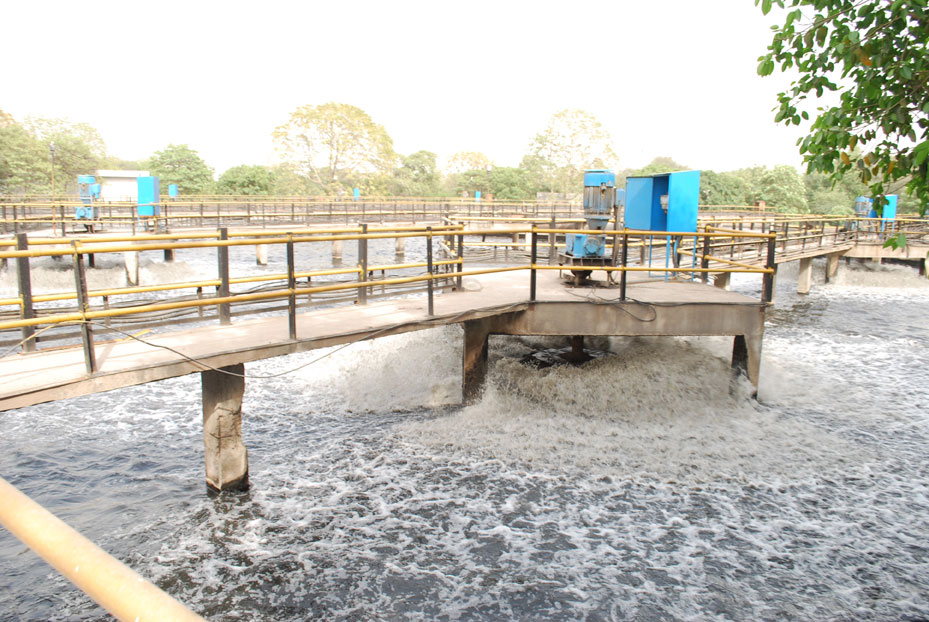 Wastewater, if recycled and reused with care, forms a lucrative source of water for irrigation due to its continuous and assured supply and high nutritional value.